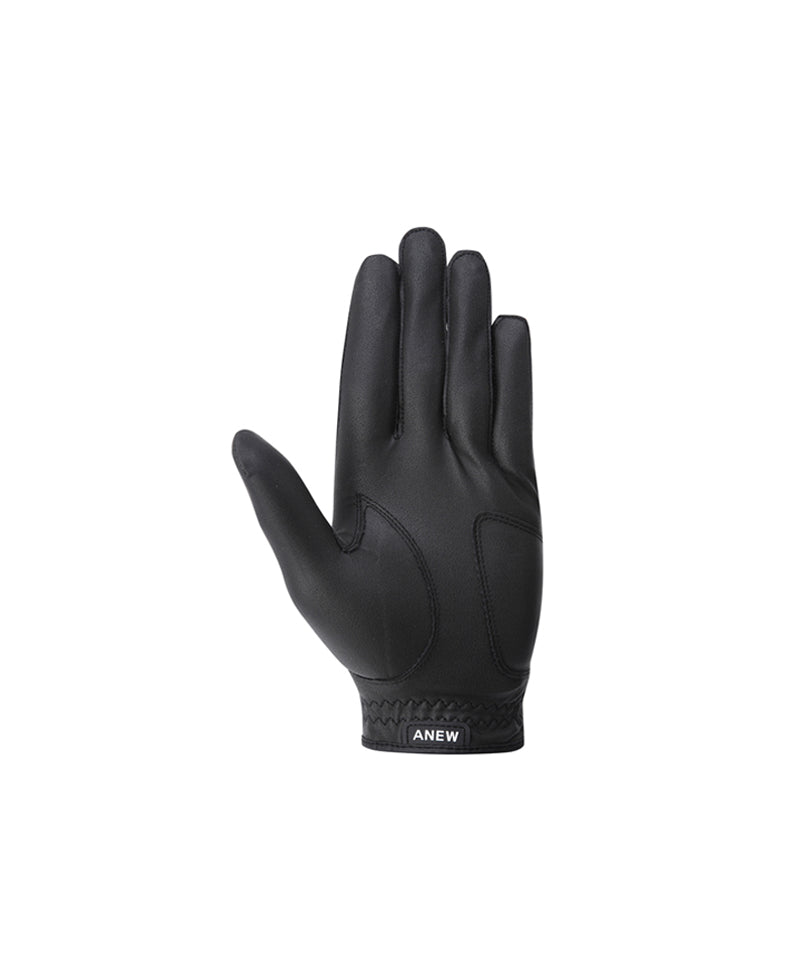
Open the average golfer's bag and you'll find chaos. Loose tees rolling around the bottom. A glove from three seasons ago stuffed in a pocket. Balls of questionable vintage mixed with new ones. Half-eaten energy bars. A rangefinder buried under receipts, broken tees, and forgotten scorecards.
This isn't just messy. It's costing you strokes.
Every moment spent searching for a ball marker is a moment you're not visualizing your putt. Every time you grab the wrong club because your bag is disorganized, you're adding friction to your process. The cumulative effect of a cluttered bag is a cluttered mind—and a cluttered mind doesn't play good golf.
The solution isn't complicated. It just requires intention.
The Club Arrangement That Actually Works
Most golfers arrange clubs haphazardly. They toss them in whatever slot is available and spend the round yanking shafts past each other. There's a better way.
The Universal Principle
Longest clubs at the top, shortest at the bottom. This applies whether you have a 4-way divider or a 14-way system. Longer clubs in the back (or top), shorter clubs in the front (or bottom), graduating smoothly between.
Why it matters:
-
Clubs extract cleanly without tangling
-
Weight distributes properly (heavier heads at top balance the bag)
-
You can find any club by feel without looking
For 14-Way Dividers
Each club gets its own slot. Arrange left-to-right or back-to-front in descending order:
Top row: Driver, 3-wood, 5-wood/hybrid Middle rows: Long irons (3-5), mid irons (6-8) Lower rows: Short irons (9, PW), wedges (gap, sand, lob) Bottom: Putter
The putter placement is debatable. Some golfers prefer it at the very bottom for easy access on the green. Others keep it at the top with a headcover. Either works—just be consistent.
For 4-Way or 5-Way Dividers
You'll need to group clubs:
Back section: Woods and driver Middle-back: Long irons and hybrids Middle-front: Mid and short irons Front section: Wedges and putter
The grouping creates potential for clubs to clatter against each other. Use headcovers on woods and consider iron covers if you're particular about protecting clubfaces.
The Cart vs. Carry Distinction
On a cart: Your bag faces forward. The "top" of your bag is actually the back. Arrange so you can grab clubs from your seated position without dismounting for every shot.
When carrying: Weight distribution matters more. Heavier clubs at the top keep the bag from feeling bottom-heavy as you walk. The bag hangs better on your shoulders.

The Pocket System: A Place for Everything
Random pocket stuffing is the enemy of on-course efficiency. Assign every item a permanent home.
The Quick-Access Pocket
This is your most reachable pocket—usually on the side or front of the bag. Reserve it exclusively for items you need every few holes:
-
Tees (enough for the round, not 200)
-
Ball markers
-
Divot repair tool
-
Spare ball (one or two, not a sleeve)
Nothing else goes here. When you reach in, you should find exactly what you need without fishing.
The Ball Pocket
Most bags have a dedicated ball pocket, often insulated or near the bottom. Keep your playing balls here:
-
6-9 balls is plenty for most rounds
-
All the same type (mixing ball models mid-round affects feel and performance)
-
Remove old, scuffed balls periodically
The honest question: If you routinely need more than 9 balls per round, your practice time might be better spent than your playing time.
The Apparel Pocket
Larger side pockets should hold weather and comfort items:
-
Rain jacket or windbreaker (lightweight, packable)
-
Extra glove (especially useful in humid conditions)
-
Sunscreen
-
Lip balm with SPF
-
Sunglasses or spare prescription glasses
This pocket stays closed most rounds. But when you need what's in it, you need it immediately.
The Valuables Pocket
Usually lined, often with a waterproof zipper. This is for:
-
Phone
-
Wallet
-
Keys
-
Watch (if you remove it to play)
Keep this pocket minimal. If it's stuffed with junk, your phone screen will get scratched by random debris.
The Tech Pocket
Rangefinders, GPS devices, and their accessories deserve dedicated space:
-
Rangefinder with case
-
Extra batteries
-
Charging cables (for longer days or travel)
Some bags have magnetic closures or easy-pull tabs specifically for rangefinder access. If yours doesn't, position the device so you can grab it without fumbling.
The Miscellaneous Pocket
Every bag has one—the pocket where things accumulate. Be ruthless here:
-
Sharpie (for marking balls)
-
Small first-aid supplies (bandages, pain reliever)
-
Snacks (energy bars, nuts—nothing that melts)
-
Pencils and scorecard holder
-
Rule book (optional, but useful for disputes)
Clean this pocket monthly. This is where dead tees, old receipts, and forgotten granola bar wrappers breed.

The Essential Checklist
Before every round, confirm these items are present and accessible:
Non-Negotiables
-
[ ] Clubs (confirm count—14 maximum, penalty for more)
-
[ ] Balls (6-9 of the same type)
-
[ ] Tees (variety of heights if you use different ones for driver vs. fairway)
-
[ ] Glove (plus spare)
-
[ ] Ball markers
-
[ ] Divot repair tool
-
[ ] Towel (clipped externally for easy access)
Performance Items
-
[ ] Rangefinder or GPS
-
[ ] Alignment stick (if you use one for warm-up)
-
[ ] Groove brush (clean grooves = better spin)
Comfort Items
-
[ ] Water bottle
-
[ ] Snacks
-
[ ] Sunscreen and lip balm
-
[ ] Rain gear (check forecast, but always have something)
-
[ ] Extra layer for temperature changes
Personal Items
-
[ ] Phone
-
[ ] Wallet (cash for tips, halfway house)
-
[ ] Keys

Packing for Different Scenarios
A casual weekend round requires different preparation than a competitive event or a golf trip.
The Casual Round
Pack light. You're there to enjoy yourself, not prepare for every contingency.
Essentials only: Clubs, balls, tees, glove, markers, towel, water, phone.
Leave behind: Extra layers (if weather is stable), backup everything, excessive snacks.
Mindset: If you forget something minor, you can probably borrow it or buy it at the pro shop. Don't over-prepare for a relaxed round.
The Competitive Round
Every detail matters when something's on the line—even a club championship or a $5 nassau.
Double-check: Club count (exactly 14), ball supply (all conforming, all same model), rangefinder battery, rule book.
Add: Extra gloves (sweaty hands affect grip), backup balls in a separate pocket, rain gear (regardless of forecast), snacks for sustained energy.
Remove: Anything that creates distraction or clutter. You want to reach into your bag and find exactly what you need without thought.
The Golf Trip
You're playing multiple rounds, possibly at unfamiliar courses, potentially in different conditions.
Pack more: Extra gloves (2-3), additional balls, full rain suit, layers for temperature variance, phone charger, basic first-aid kit.
Consider: A separate travel case to protect your bag during transport. Clubs shift and bang during flights and car trips.
Pro tip: Pack a small pouch in your bag with duplicates of essentials (tees, markers, tool). If your checked luggage gets delayed, you can buy balls and play immediately.
The Practice Session
You don't need your full bag for the range or short game area.
Bring: The clubs you're working on, a towel, water, alignment aids, notebook for tracking progress.
Leave: Valuables (less to worry about), full ball supply (you're hitting range balls), weather gear (you can go inside if it rains).
Consider: A half bag or carry bag specifically for practice. Lighter, simpler, encourages focus on the work rather than the stuff.

Seasonal Adjustments
Your bag's contents should evolve with the calendar.
Spring/Fall (Transitional Weather)
Add: Rain jacket, wind layer, thermal glove (for early mornings), extra towel (morning dew soaks everything).
Remove: Heavy winter gear, ice-weather accessories.
Watch for: Rapid temperature changes. A 7 AM tee time in April might start at 45°F and finish at 70°F.
Summer
Add: Extra water (or plan for refills), sunscreen (apply before and reapply at the turn), sweat towel, backup glove (humidity destroys gloves quickly).
Remove: Heavy layers, rain gear (if forecast is clear—but summer storms can appear fast).
Watch for: Dehydration. If you're not drinking water every few holes, you're falling behind.
Winter
Add: Thermal gloves, hand warmers, base layers, warm hat, rain gear (cold rain is miserable).
Remove: Summer items that add weight without utility.
Watch for: Reduced flexibility from cold muscles. Your club selection might need to adjust (one extra club for approaches).
The Monthly Bag Audit
Once a month, empty your entire bag. Every pocket. Every compartment. The bottom where things fall.
What You'll Find
-
Broken tees (discard)
-
Balls you forgot about (inspect and keep or discard)
-
Old scorecards (file or trash)
-
Receipts (trash)
-
Snack wrappers (definitely trash)
-
Items from other activities that wandered in
-
Things you thought you lost
What to Check
-
Towel cleanliness (wash it)
-
Glove condition (replace if worn)
-
Spike tightness (if applicable)
-
Zippers and closures (function test)
-
Strap condition (wear spots, fraying)
What to Restock
-
Balls
-
Tees
-
Sunscreen (check expiration)
-
First-aid supplies
-
Snacks
This audit takes fifteen minutes. It prevents the gradual accumulation that turns organized bags into disaster zones.
The Weight Question
A fully loaded golf bag weighs 20-30 pounds. Over 18 holes, that matters—especially if you walk.
What Actually Weighs Too Much
-
Excessive balls (every sleeve adds a pound)
-
Multiple water bottles
-
"Just in case" items that never get used
-
Heavy rain gear when the forecast is clear
-
Clubs you never hit
The Honest Inventory
Walk through your last ten rounds mentally. Which items did you actually use? Which clubs did you actually hit?
If you haven't used your 3-iron in a year, it's dead weight. If you always grab the gap wedge instead of the pitching wedge, you might not need both. If your "emergency" rain jacket has stayed in its pocket all season, maybe check the forecast instead.
The goal: Carry everything you need, nothing you don't.
Storage Between Rounds
How you store your bag affects its contents and condition.
The Ideal Spot
-
Cool and dry (not your car trunk)
-
Away from direct sunlight (fades materials, heats contents)
-
Upright or properly supported
-
Accessible (you're more likely to practice if your bag isn't buried)
What Happens in Car Trunks
-
Extreme heat damages grips, balls, and adhesives
-
Cold can affect ball performance
-
Humidity breeds mold in damp pockets
-
Your chocolate bar becomes a chocolate puddle
Between-Round Maintenance
-
Remove damp towels and gloves (hang to dry)
-
Take out perishable snacks
-
Extract valuables and electronics
-
Wipe down clubs if they're dirty
The Bigger Picture
A well-organized bag isn't about perfectionism. It's about removing friction from your game.
When you reach for a tee, it's there. When you need your rangefinder, you grab it without looking. When the weather changes, you have what you need. When you walk up to a shot, you're thinking about the shot—not wondering where you put your ball marker.
This is the difference between playing golf and managing golf.
The golfer who spends the round searching, adjusting, and improvising burns mental energy on logistics. The golfer whose bag is a well-organized system conserves that energy for the only thing that actually matters: the next shot.
Organize once. Maintain regularly. Play better.
Carrying your clubs yourself? Stand bags balance organization with walkability.
Need something for quick essentials? A belt bag keeps phone, tees, and markers accessible without digging through pockets.