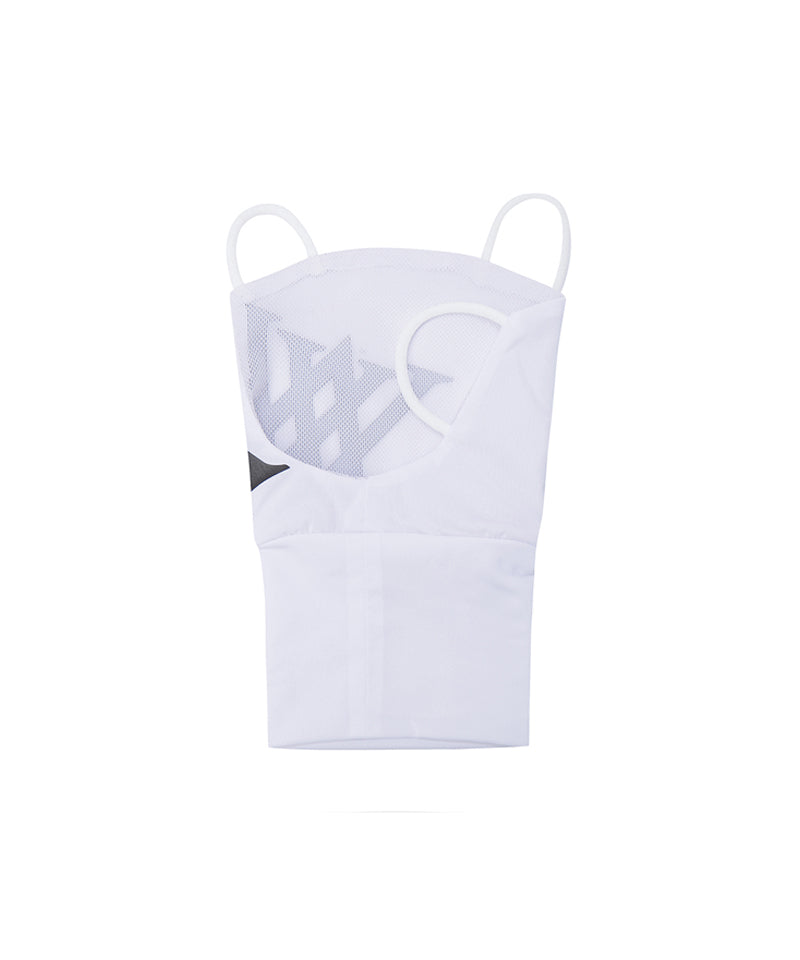
Putter headcovers are the exception, and it catches people out constantly. Order the wrong one and it either won't go on at all, or it goes on and slides straight back off in the bag. The second failure is the expensive one, because a cover that slips off in transit is a cover you leave on a tee box and never see again.
The reason is simple: putters, unlike every other club in the bag, come in two fundamentally different head shapes.

The Two Shapes, and Why They Don't Share Covers
A blade putter has a slim, elongated head — the classic silhouette that dominated golf for most of its history and still has a devoted following. The profile is narrow front to back and long side to side.
A mallet putter has a large, deep head, often squared or rounded at the back, with significantly more mass distributed away from the face. This is the shape that has taken over the modern game, driven by the forgiveness that comes from that mass distribution.
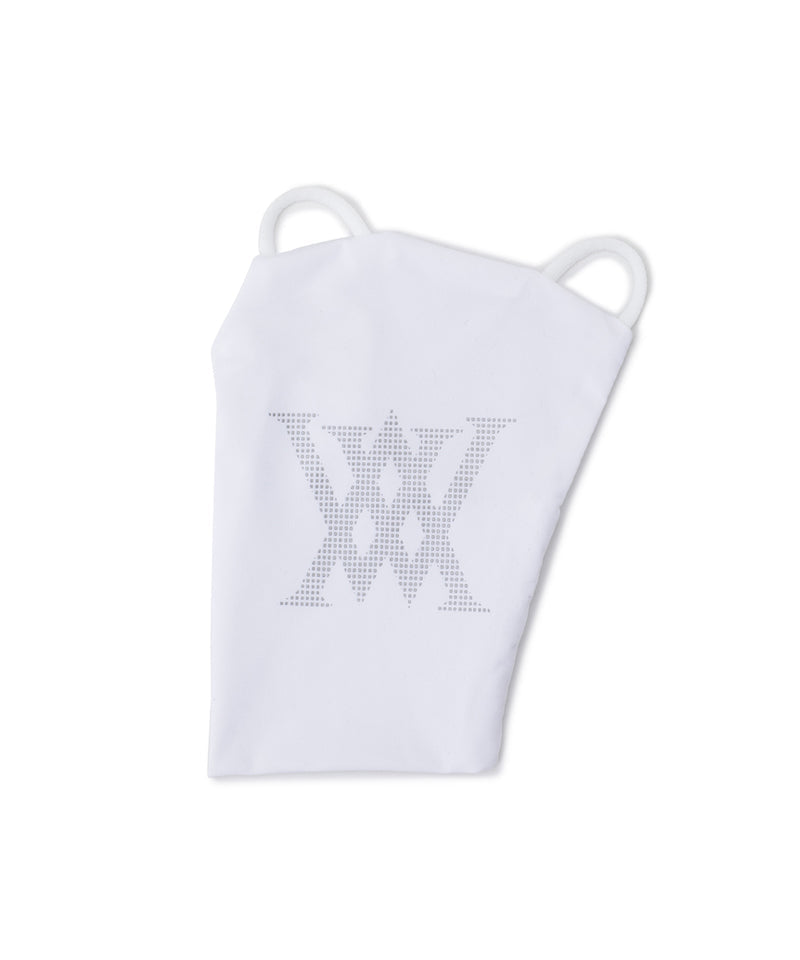
The dimensional gap between the two is not marginal. A blade cover is essentially a narrow sleeve. A mallet cover is closer to a pouch. Putting a blade cover on a mallet head is physically impossible on most models — the opening simply won't accommodate the depth. Putting a mallet cover on a blade putter technically works, in the sense that the cover goes on, but the fit is loose enough that ordinary bag movement shakes it free.
So the first question to answer before buying isn't about material or color. It's which shape your putter is.

How to Tell Which You Have
If you're unsure, the quickest test is to look at the putter from above. A blade reads as a thin bar — you can see most of the shaft's landing area and the head barely extends behind the face. A mallet has visible bulk behind the face, whether that's a semicircle, a squared block, or one of the winged shapes common on modern designs.
There's also a growing middle category — sometimes called mid-mallets — that sits between the two. These are deeper than a blade but not as large as a full mallet. For these, mallet covers are usually the safer choice, since a slightly generous mallet cover with a good closure will still hold, while a blade cover often won't fit at all.
The Closure Is What Actually Keeps It On
Fit is the first requirement, but closure type determines whether the cover survives a round of cart rides and bag drops.
Magnetic closures are the current standard on quality putter covers, and for good reason. They open and close in one motion — no fumbling on the green when you're already thinking about your line — and hold securely when closed. The tradeoff is that cheaper magnets weaken over time; the quality of the magnet matters more than the presence of one.
Velcro closures grip more aggressively and don't weaken the way magnets can, but they're louder, slower, and the hook side eventually catches on towels and glove liners.
Snap or button closures are the most secure of the three and the slowest to operate. They suit golfers who prioritize never losing a cover over the convenience of a quick removal.
For a putter specifically, closure matters more than it does on a driver cover, because the putter comes out of the bag more often than any other club. A cover you have to wrestle with is a cover you'll eventually stop putting back on.
Does a Putter Even Need a Cover?
The honest answer is that a putter needs a cover more than most golfers assume, for a reason that has nothing to do with the putter itself.
Putters are typically the most consistently used club in the bag — the one you keep across equipment changes, sometimes for a decade or more. That longevity makes the face and finish worth protecting, because a putter with a scratched face and dinged crown loses both feel and value.
But the more practical argument is protecting everything else. An uncovered putter head knocks against the shafts and crowns of your woods every time the bag moves. The damage a bare putter does to a $500 driver over a season of cart rides is a better argument for a putter cover than anything about the putter itself.

Material and Longevity
Leather and leather-look synthetics dominate the premium end, and they hold their shape and finish best over seasons of use — the sagging and fading that eventually make cheap covers look tired takes far longer to set in.
Knit covers offer the classic look, lighter and more flexible, though they provide less impact protection and can snag. Modern synthetic blends split the difference and often add water resistance, which matters if you play early mornings on dewy courses.
For a putter cover in particular, interior lining is worth checking. A soft lining protects the finish on the head — which is precisely the surface you're trying to preserve.

Getting It Right
Confirm your putter shape first. Match mallet to mallet, blade to blade, and default to mallet if you're in the mid-mallet grey zone. Prioritize a secure closure, because the putter comes out of the bag more than any other club. And check for a soft interior lining, since the whole point is protecting a finish.
Get those four right and a putter cover lasts as long as the putter it protects.
Browse our full range of golf headcovers — putter covers in both mallet and blade formats, alongside driver, fairway wood, and hybrid covers. Pair them with a stand bag or browse the complete golf bags collection to finish the setup.