The sleeveless golf top has spent years as the option people reach for almost apologetically — fine for practice, fine for a casual round with friends, but somehow less serious than a sleeved alternative. That hierarchy doesn't hold up to scrutiny. In genuinely hot conditions, a well-made sleeveless top is often the more functional choice, not the more casual one.

The Heat Math Nobody Walks Through
Here's the part that gets skipped in most conversations about course attire: fabric on your skin doesn't just provide coverage, it also traps heat. Every additional layer of fabric — even lightweight, breathable fabric — creates a barrier between your skin and the air around it. That barrier slows the rate at which sweat evaporates, and evaporation is the primary mechanism your body uses to cool itself.
Remove the sleeve, and you remove that barrier from your upper arms — one of the larger surface areas of skin exposed during a golf swing, and an area with significant blood flow close to the surface. More direct airflow against that skin means faster evaporative cooling, which means your core body temperature stays lower for longer through a four-hour round in summer heat.
This isn't a marginal effect on the hottest days. Golfers who switch from a short sleeve to a well-made sleeveless top in genuinely hot conditions — 85 degrees and above, especially with humidity — often notice the difference by the back nine, when sleeved layers start to feel heavy and damp in a way the sleeveless option doesn't.

The Counterargument, and Why It's Usually Wrong
The case against sleeveless is almost always about sun exposure, and it's a legitimate concern — bare arms in direct sun for four hours is real UV exposure. But the solution to that problem is sunscreen, not sleeves, and treating it as a sleeves-or-nothing decision overstates the tradeoff.
A high-SPF sunscreen, reapplied at the turn, manages the UV exposure that a sleeveless top doesn't cover. It takes thirty seconds. It doesn't trap heat against your skin. And it lets you keep the cooling advantage of bare arms without absorbing the UV risk. For golfers who've made this swap — sunscreen instead of sleeves on the hottest days — the combination tends to outperform a long sleeve UPF shirt on comfort, even though the UPF shirt theoretically offers more built-in protection.
This is a personal calculation, not a universal rule. If you burn easily, have a history of skin cancer, or simply prefer not to manage sunscreen reapplication, a long sleeve golf top with a high UPF rating is the more conservative and entirely reasonable choice. But "sleeveless is less protected" and "sleeveless is the wrong choice for hot weather" are two different claims, and only the first one is reliably true.
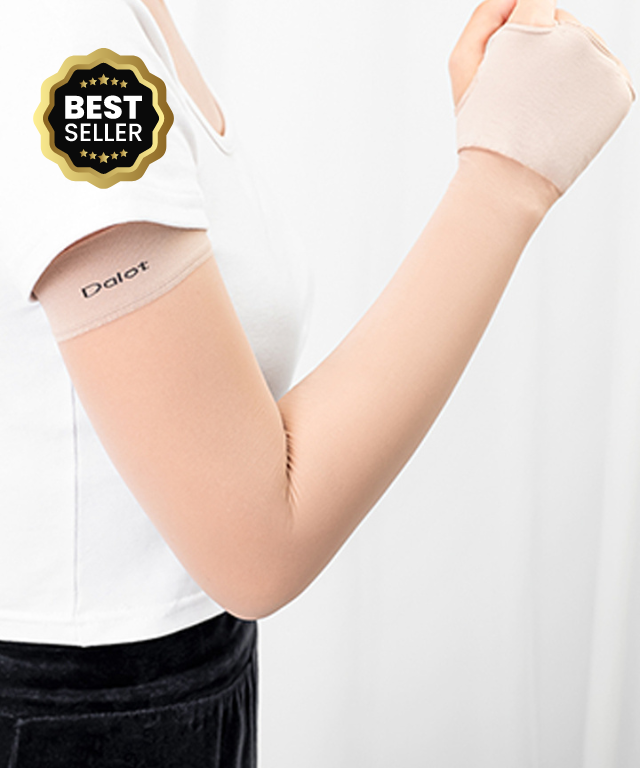
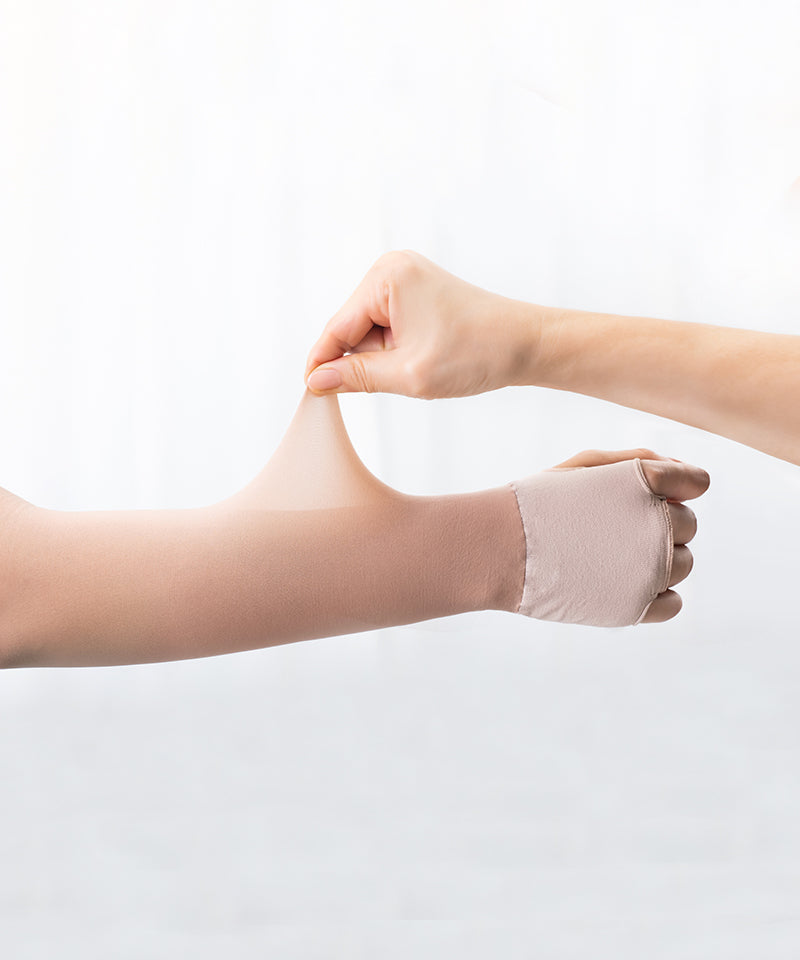
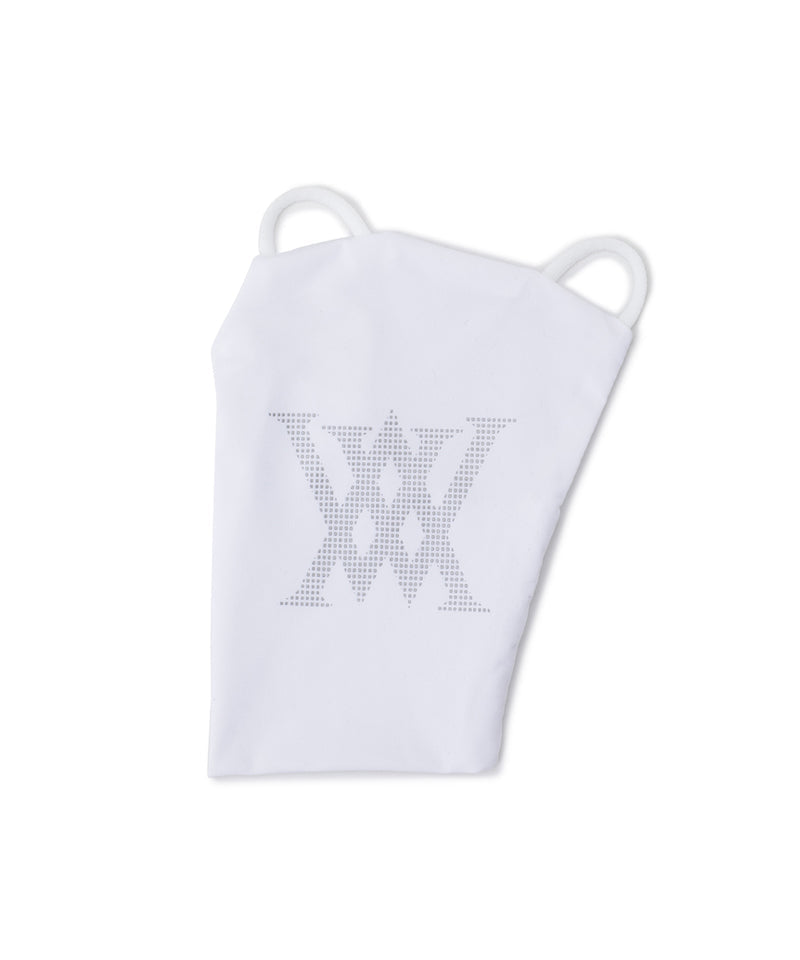
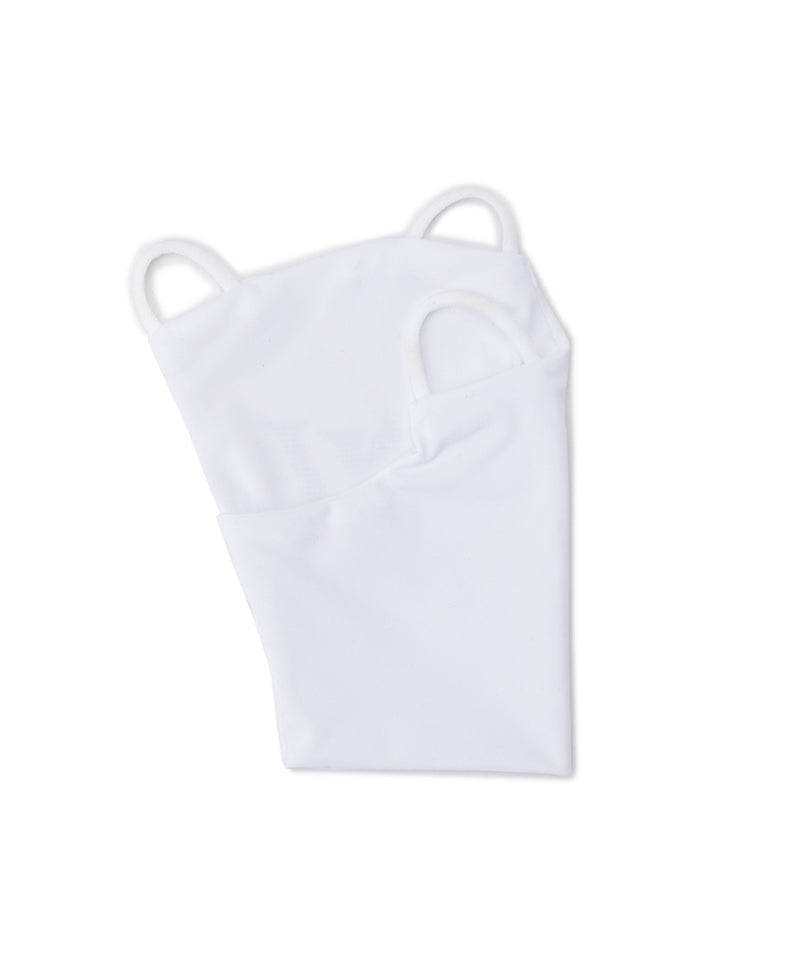
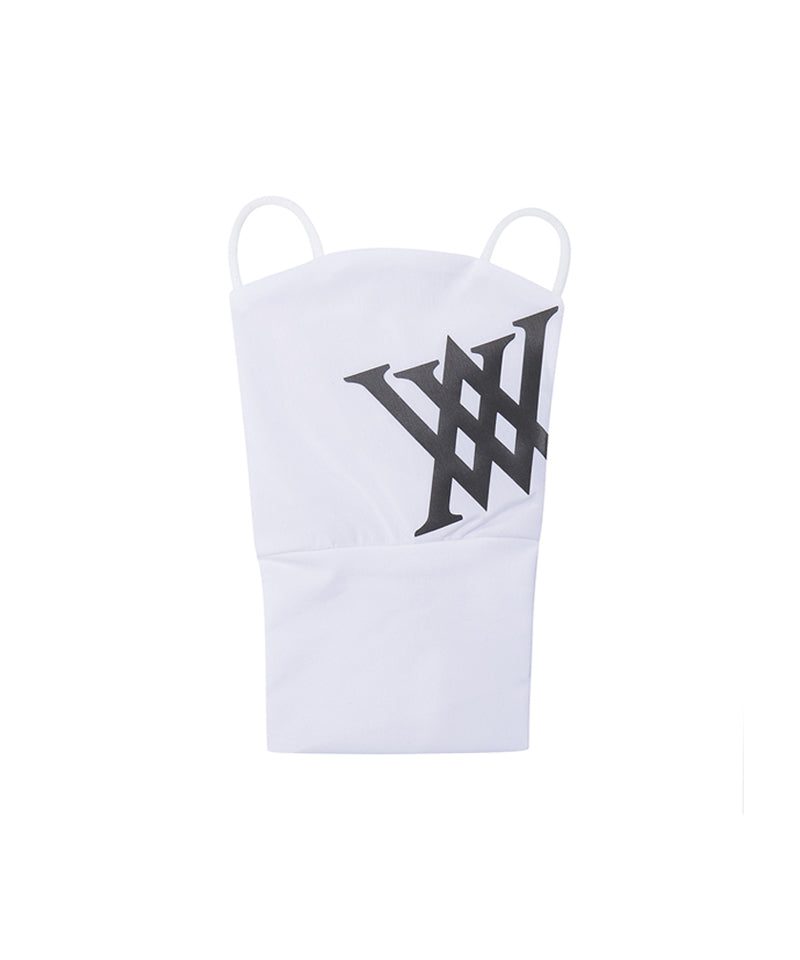
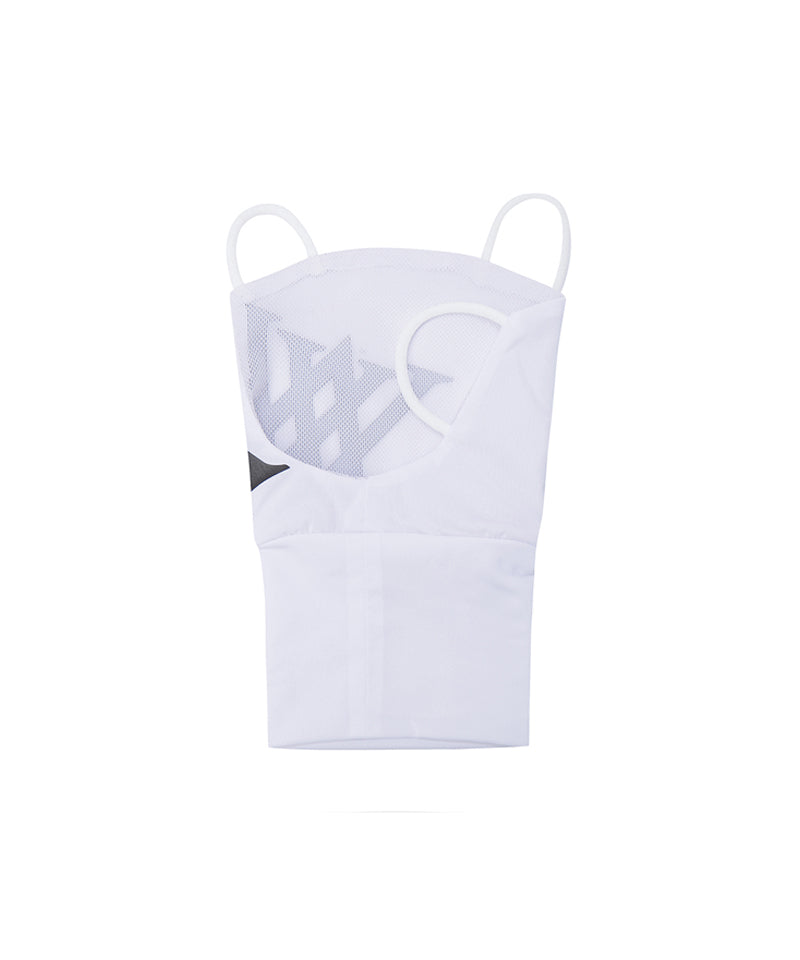
There's also a middle path worth knowing about: arm sleeves and boleros worn over a sleeveless top give you the UV coverage of a sleeved shirt while keeping your core and torso as open as a sleeveless top allows. It's a layering approach that's particularly popular in Korean golf culture, where protecting skin from sun damage is taken seriously without sacrificing the ventilation advantage of going sleeveless. SOKIM carries a range of arm sleeves and boleros that pair directly with sleeveless tops for exactly this purpose.

What Actually Makes a Sleeveless Top Work
Not every sleeveless top delivers on this performance promise. The construction matters as much as the absence of sleeves.
The armhole shape and placement determine whether the top stays in place through a full swing or shifts and rides during your backswing — a poorly cut armhole undoes most of the comfort advantage by creating its own friction and distraction. Fabric weight matters too: a genuinely lightweight, technical fabric maximizes the cooling benefit, while a heavier cotton-blend sleeveless top loses much of the advantage it should theoretically have.
Built-in support is worth checking if it matters to you — many performance sleeveless tops include a shelf bra or compression panel, since the absence of sleeve fabric means the garment's structure does more work. And neckline matters for sun exposure on the chest and shoulders, an area that's easy to forget about when the conversation is focused on arms.
The sleeveless golf tops and tank tops built specifically for this use case — rather than adapted from general athletic wear — tend to get these details right in ways that matter more than they might seem on a hanger.

When It Doesn't Make Sense
Cool mornings are the obvious exception — sleeveless in 55-degree weather is uncomfortable regardless of how well-constructed the top is, and a vest or long sleeve layer is the right call. Courses with stricter dress codes that require sleeves are another straightforward exception, worth checking before you play somewhere unfamiliar.
And for golfers who simply prefer the look and feel of sleeved tops regardless of temperature, that's a legitimate preference that doesn't need a performance justification. The case for sleeveless is about expanding the option, not replacing the alternative.
The Practical Takeaway
If you've been defaulting to short sleeve or long sleeve tops through every summer round out of habit rather than preference, it's worth testing the sleeveless option on a genuinely hot day and paying attention to how the back nine feels compared to a sleeved round in similar conditions. The difference tends to be more noticeable than people expect, and it's the kind of thing that's easy to dismiss until you've actually felt it.
Pair a sleeveless top with golf skirts for a complete warm-weather outfit, or keep a vest in your bag for the cooler start to an otherwise hot day.
Browse our full collection of women's sleeveless golf tops — built for the heat, not just styled for it.